Blueprint Literacy in Operations: Essential Strategies for Effective Project Management
Introduction
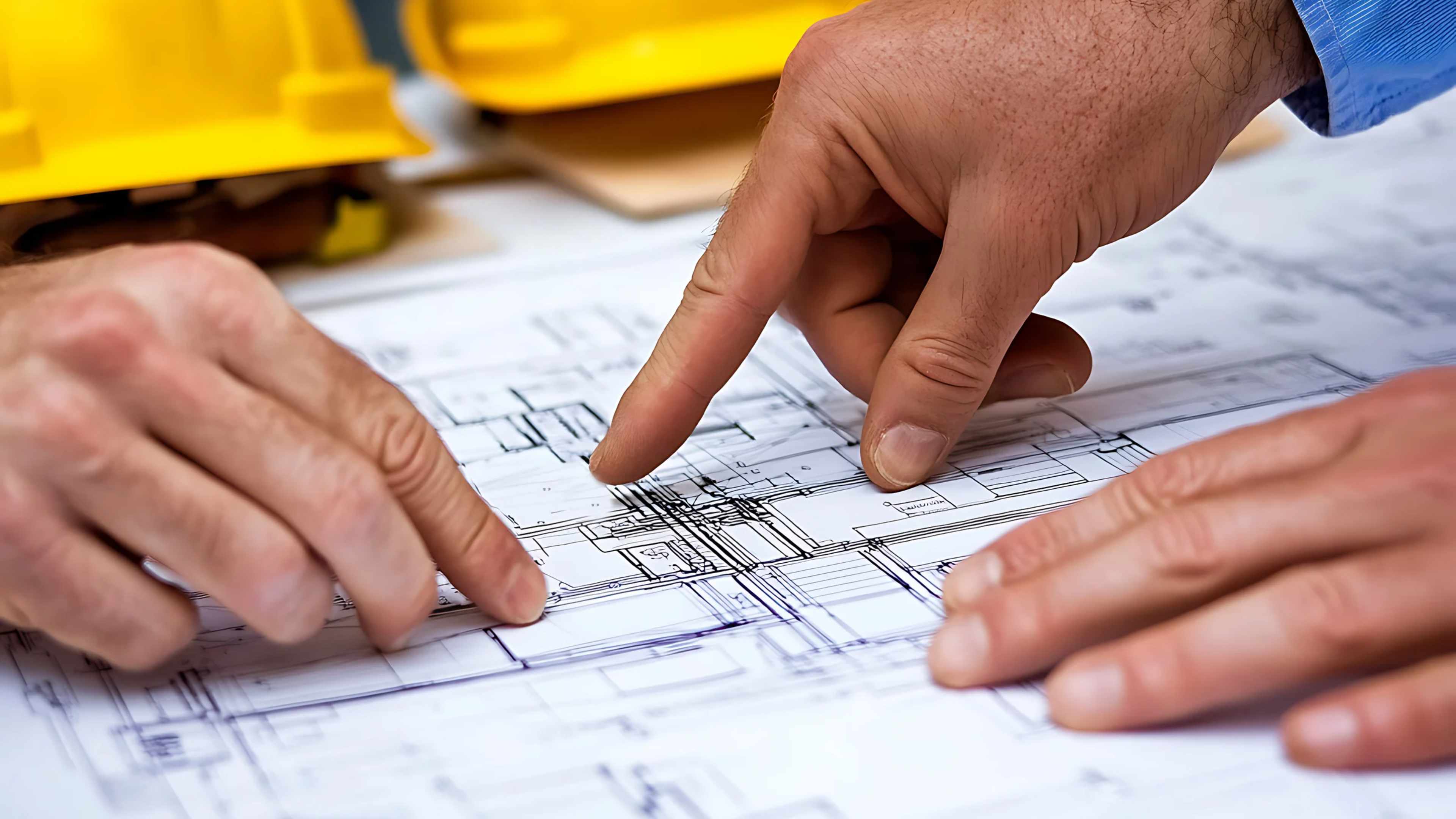
During a recent meeting focused on inaugurating a new store, the perplexed expressions on the faces of those scrutinizing the architectural plans were hard to miss. I’ve witnessed firsthand how misapprehensions surrounding blueprints can escalate into major project predicaments. Reflecting on my experience in a past role during the construction of a new facility, numerous departments sought change orders that could have been avoided entirely had they possessed a clear picture of the eventual product. This article offers guidance on how to interpret and envision blueprints, underlining the significance of a cohesive team understanding for the successful execution of a project.
The Hazards of Misconstruing Blueprints
A flawed understanding of blueprints can result in costly errors, project delays, and safety risks. An analysis conducted by the Construction Industry Institute revealed that poor project data—such as misunderstood blueprints—can cause reworking costs to constitute up to 12% of the total project expenditure. An unambiguous comprehension among all team members is pivotal to staving off these complications.
Surmounting the Obstacle of Blueprint Comprehension
The major hurdle in comprehending blueprints typically lies in their technical nature. They are full of symbols and scales that may not be intuitive for everyone. Offering training programs and reference manuals can contribute significantly to overcoming this literacy deficit.
Nurturing an Atmosphere of Open Communication
Holding meetings where team members feel free to ask questions is cardinal. It is obligatory to establish an ecosystem where soliciting elaboration is encouraged. This transparent conversation ensures that everyone’s understanding aligns, curtailing the chances of misunderstanding and errors.
Pioneering Tools for Envisioning Blueprints
Technological progression has made blueprint visualization easily accessible. Software like Matterport provides 3D interactive experiences, permitting teams to take a virtual tour around an area even before it is built. This can be a turning point for stakeholders who find traditional 2D blueprints challenging. I’ve used this tool often in the past, and it was a game-changer during complex construction phases.
Employing 3D Rendering Services
Services that transform blueprints into 3D models can be invaluable. These models offer a tangible representation of the final output, assisting in understanding and strategizing. Companies like Autodesk offer solutions that add dimensions to blueprints, boosting team interpretation and coordination. If budget is a restriction, consider freelance platforms like Fiverr as an affordable solution for integrating 3D elements into a blueprint visualization.
The Repercussions of Isolation from the Final Vision
Failure to engage the entire workforce in understanding the final vision of a project can lead to a gap between planning and implementation. This isolation can harm both the quality of work and the overall team spirit. It is essential for everyone—from the architects to the on-site laborers—to have a clear comprehension of the blueprints to maintain project cohesion. Avoiding last-minute alterations can be the difference between sticking to your deadline and staying under budget.
Conclusion
In the sphere of operations and management, successfully communicating the details in blueprints is just as critical as the construction’s technical aspects. By utilizing state-of-the-art tools and nurturing a culture of unrestricted communication, we can close the gap in blueprint comprehension, culminating in a more effective, precise, and safe project execution.
References
- Autodesk and Matterport’s technological solutions for blueprint visualization.
Recommended Reading
- Sam Kubba, “Blueprint Reading: Construction Drawings for the Building Trade”
- Autodesk’s resources on 3D rendering and blueprint interpretation
Facility Thoughts
Strategies for the built environment. If you found this article valuable, let's continue the conversation.
Connect on LinkedIn