Utilizing Personality Assessments for Attribute Identification
Introduction
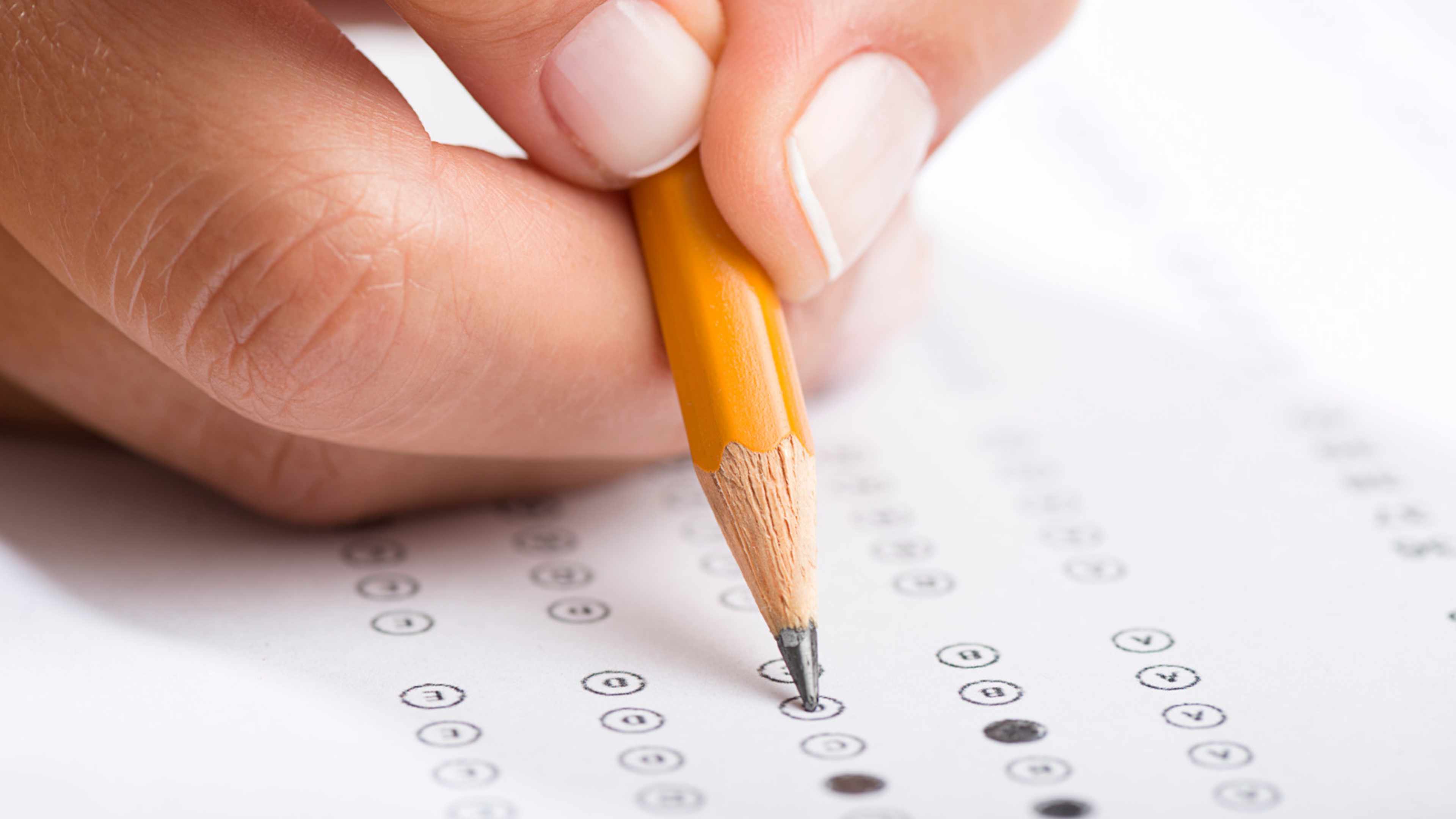
Personality assessments are tools designed to measure and profile individuals’ intrinsic attributes, including their tendencies, preferences, and behavioral styles. These assessments are valuable for identifying personal attributes that influence how individuals interact with others, approach work, and adapt to various situations.
Process Steps
To effectively implement personality assessments, organizations should follow a structured approach:
- Assessment Selection: Choose reputable and validated personality assessments that align with your organizational goals and the specific attributes you wish to measure. Common examples include the Myers-Briggs Type Indicator (MBTI) and the Big Five personality traits assessment.
- Administration: Administer the selected assessments to employees or job candidates in a controlled environment, ensuring that instructions are clear and that respondents understand the purpose of the assessment.
- Data Analysis: Analyze the assessment results to extract meaningful insights about the individuals’ personality traits and characteristics. This involves interpreting scores in the context of how each trait influences work behavior and interactions.
- Feedback and Interpretation: Provide individuals with feedback on their assessment results, ideally through a debrief session with a qualified professional who can explain the implications of their personality traits in a work context.
Metrics and Evaluation
Ensuring the quality of the data is critical for success:
- Consistency and Reliability: Evaluate the consistency and reliability of the assessment tools over time to ensure they provide stable and accurate measurements of personality traits.
- Validity: Ensure the assessments are valid and measure what they are intended to. This involves correlating assessment results with observable behaviors and outcomes in the workplace to confirm their predictive power.
Conclusion
Personality assessments are a powerful tool for identifying individual attributes that are not directly observable, such as preferences, tendencies, and behavioral styles. By carefully selecting, administering, and interpreting reputable assessments, organizations can gain insights into the personal attributes of their workforce, enabling better team composition, leadership development, and individual career planning.
Facility Thoughts
Strategies for the built environment. If you found this article valuable, let's continue the conversation.
Connect on LinkedIn