Building Trust in Leadership
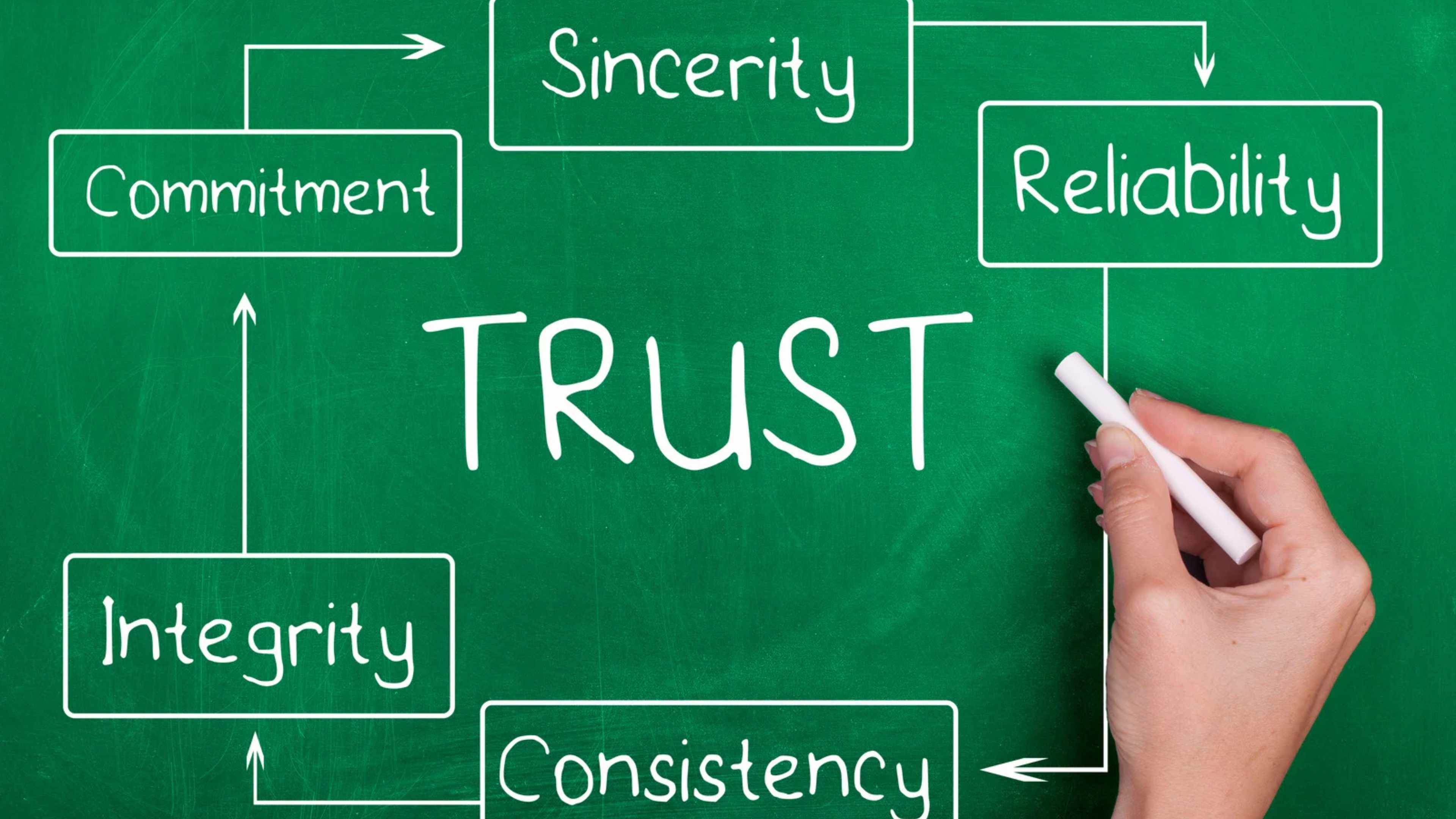
Trust is the cornerstone of successful leadership and productive team dynamics. This article explores the art of forging trust among staff, looking beyond hierarchical labels to earnestly address their concerns. To provide a thorough comprehension of nurturing trust in work environments, I have combined substantiated facts, real-life examples, and strategic intelligence.
Forging Trust Above Hierarchical Titles
Enriching the work environment requires transcending ranks and office titles; it hinges on cultivating a milieu where workers are respected and their voices are recognized.
Research conducted by the Harvard Business Review suggests that a stunning 76% increase in employee engagement is achievable under leaders who maintain a high trust profile. The consistent demonstration of dependable actions, transparency in communication, and a genuine focus on staff well-being—irrespective of one’s position on the organizational ladder—are essential in forming trust.
The Mastery of Listening Rather Than Merely Hearing
More than just “sounding someone out,” genuine listening involves empathetic engagement—embracing the willingness to grapple with concerns devoid of prejudice.
A polling survey by Gallup revealed that a 62% drop in worker burnout is observed when superiors actively listen. Besides honoring workers’ points of view, this approach cultivates inclusion and mutual respect.
Consequences of a Trust Deficit
A deficiency in trust brings a slew of negative outcomes, resulting in drops in morale, lower productivity, and increased labor turnover. The American Psychological Association has established that more than half the workforce contemplating new job opportunities within the coming year are those who do not feel appreciated at their current job.
A breakdown in trust corrodes the basic fabric upon which teamwork and collaboration—the lifeblood of operational success—are built.
Effect on Work Output and Staff Retention
A drought in workplace trust has a direct effect on work output and staff continuity. According to a report by the Society for Human Resource Management (SHRM), a 50% increase in turnover was found in firms with a low trust index compared to their counterparts with a high trust barometer. Fostering a culture of trust can subsequently cause a spike in job output and worker contentment, ensuring their continuity in the long run.
Conclusion
Prioritizing trust over ranks and titles, coupled with active inclusion by listening to workers’ concerns, becomes pivotal in molding a thriving and cohesive work environment. Leaders in operations and management must realize that the promotion of a trust-based culture does more than improve team performance; it aligns perfectly with the bedrock principles of respect and integrity.
References
- Harvard Business Review, “The Neuroscience of Trust”.
- Gallup, “State of the American Manager”.
- American Psychological Association, “Work and Well-Being Survey”.
- Society for Human Resource Management (SHRM), “Employee Job Satisfaction and Engagement Report”.
Recommended Reading
- Stephen M.R. Covey, “The Speed of Trust: The One Thing That Changes Everything”
- Dennis Reina and Michelle Reina, “Trust and Betrayal in the Workplace: Building Effective Relationships in Your Organization”
- Ralph G. Nichols and Leonard A. Stevens, “Listening to People” (Harvard Business Review article)
- Patrick Lencioni, “The Five Dysfunctions of a Team: A Leadership Fable”
Facility Thoughts
Strategies for the built environment. If you found this article valuable, let's continue the conversation.
Connect on LinkedIn