The Hidden Cost of Deferred Maintenance
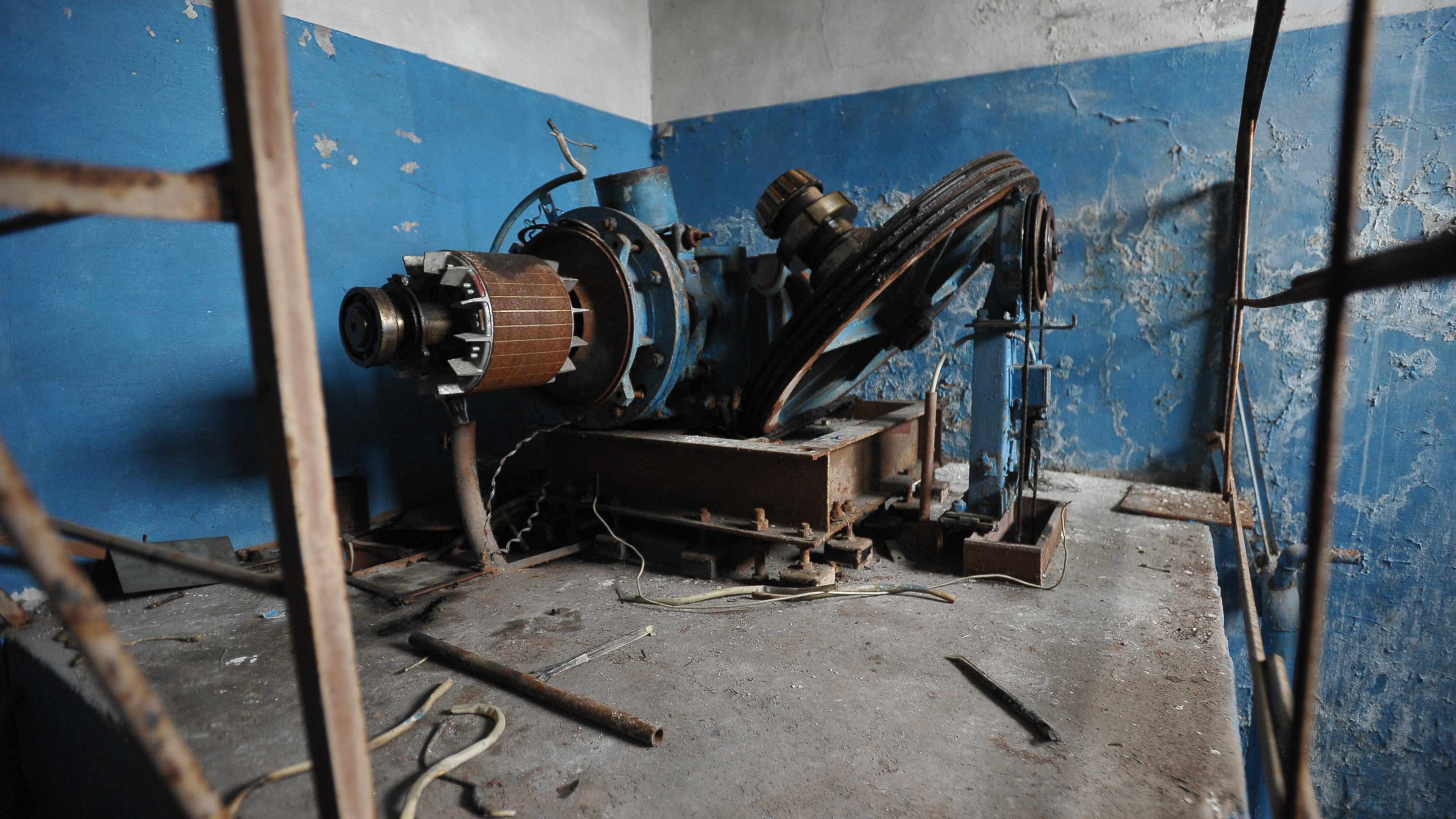
Deferred maintenance is often framed as a temporary budget strategy, a way to “save money” in a tight quarter. But in practice, it functions as an invisible liability.
When maintenance is postponed, degradation does not pause. Components continue to wear, efficiency declines, and risk accumulates silently in the background. The cost does not vanish; it compounds.
The Compound Interest of Neglect
Facilities leaders frequently inherit deferred maintenance without full visibility into its scope. A missed inspection here or a delayed replacement there seems manageable in isolation. However, these deferrals create a “debt” that eventually comes due.
The danger arises when multiple systems approach failure simultaneously. This is the tipping point where:
- Emergency repairs cost 3x to 5x more than planned work.
- Unplanned shutdowns disrupt revenue-generating operations.
- Capital spend is accelerated, draining reserves unexpectedly.
Any short-term savings gained by deferring the work are quickly erased by the premium paid for the inevitable failure.
“No man ever steps in the same river twice, for it’s not the same river and he’s not the same man.”
Confronting Reality
Addressing deferred maintenance requires acknowledging reality rather than deferring it. It requires the courage to present hard data to leadership and the discipline to prioritize unglamorous infrastructure over visible upgrades.
Organizations that confront maintenance backlogs with transparency and strategy regain control over cost, reliability, and risk. Those that do not are eventually forced into reaction—often at the worst possible time.
Facility Thoughts
Strategies for the built environment. If you found this article valuable, let's continue the conversation.
Connect on LinkedIn